

The Branded Residence Premium: How Much Is Real, and How Much Is Marketing?
In Miami, Dubai, London, and Singapore, a brand affiliation regularly adds 40% to the price of a residential asset over comparable non-branded stock. In prime markets globally, that range typically sits between 20% and 35%.
Those numbers are real. They are also only half the story.



The Risk Compression Calculation
The premium exists because a recognized brand does something a standalone development cannot: it compresses risk for the buyer. This is not a vague lifestyle promise; it is a specific, transactional calculation.
When a buyer sees a name they trust on a building, they are making a calculation: that design standards will hold, that service will be consistent, and that someone with a reputation to protect is accountable for what happens after the keys are handed over. They are not buying the logo. They are buying the reduction in uncertainty that comes with it.
The Post-Handover Erosion
The true test of a branded residence isn't the launch price; it’s the resale market. While the premium doesn't collapse overnight, it often erodes quietly due to operational friction.
Common triggers for value erosion include:
Degraded service standards that fail to meet the brand's global promise.
Governance structures that fall apart upon contact with reality.
Management frameworks designed for a quick developer exit rather than long-term owner experience.
These flaws are invisible in the glossy brochures, but they become glaringly obvious in secondary market pricing two to four years after completion. This is the "performance gap" where the promise and the delivery finally diverge.

Beyond the Pitch Deck: What Sustains Value?
This is where most investors get caught out. They model the acquisition premium, but few model what actually sustains it. In this asset class, long-term value is dictated by operator integration. This is defined by how deeply the brand’s standards are embedded into actual daily management rather than just the pitch deck.

The Real Cost of the Nameplate
The cost structure deserves genuine scrutiny. A 35% headline premium paired with service charges two to three times the local average creates a vastly different investment profile than it first appears.
The premium is real, but it is not guaranteed. The work lies in identifying the projects where the brand is a substantive commitment to excellence, rather than a cosmetic layer of marketing.
How do you evaluate the "staying power" of a branded premium? Are you looking at the name on the door, or the management agreement behind it?

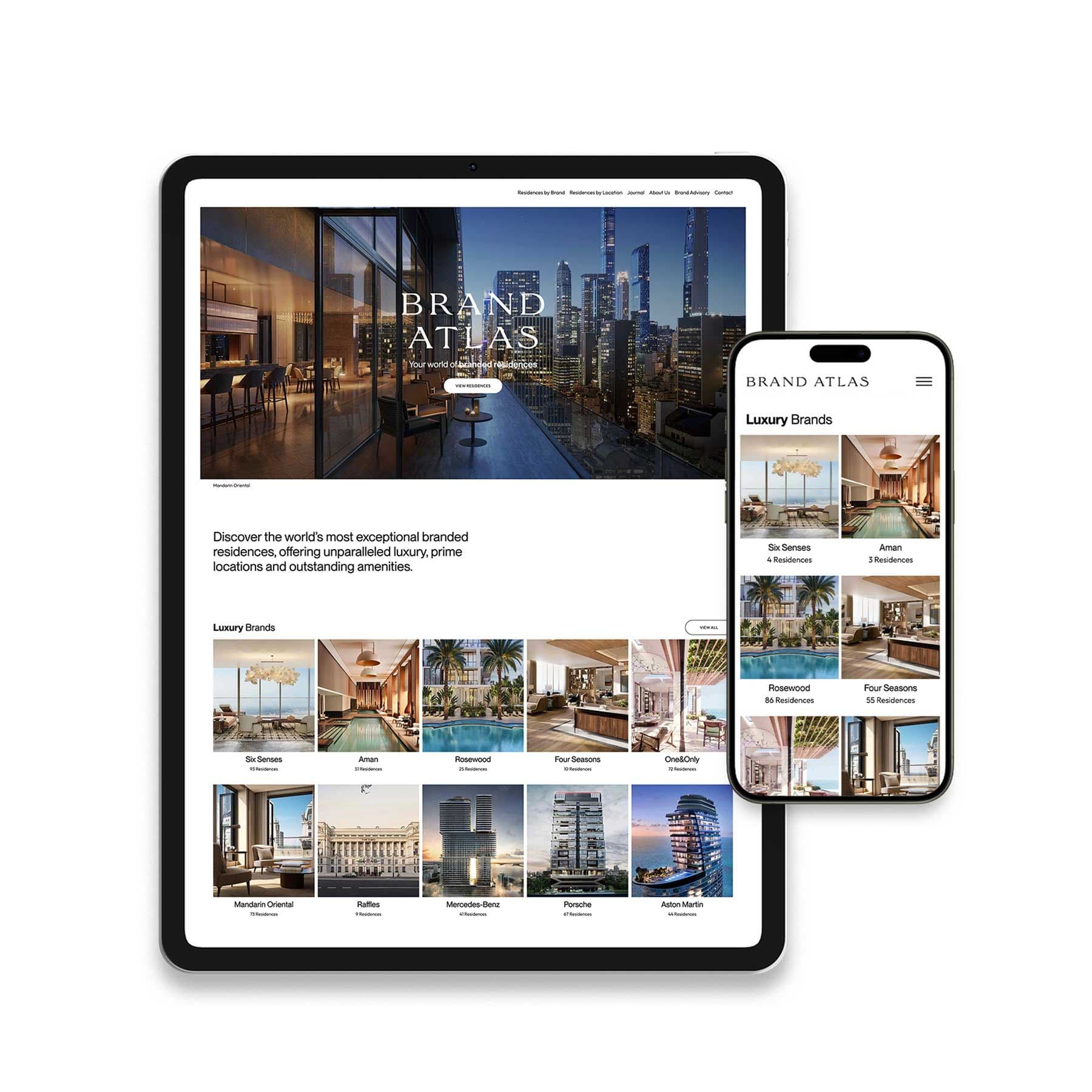
Brand Atlas is the world’s leading branded residences platform and brand consultancy.
Offering the definitive collection of the finest luxury branded residences in the most coveted locations, we give buyers and brands a unique opportunity to connect in this highly desirable and fast-growing market.
We work exclusively with leading brands, recognising the loyal relationship they share with their international audiences - and the exciting extension of luxury lifestyles through exceptional properties.
Providing an unparalleled and unbiased global overview, we enable buyers to see where their favourite brands are developing residences and to enjoy exploring and experiencing these exceptional properties.
Brand Atlas showcases the world’s finest branded residences on one digital platform, allowing global UHNW buyers access to a definitive collection of properties through a prestige network and top-tier technology.
Related News
The 10 Most Exclusive Branded Residences in 2026
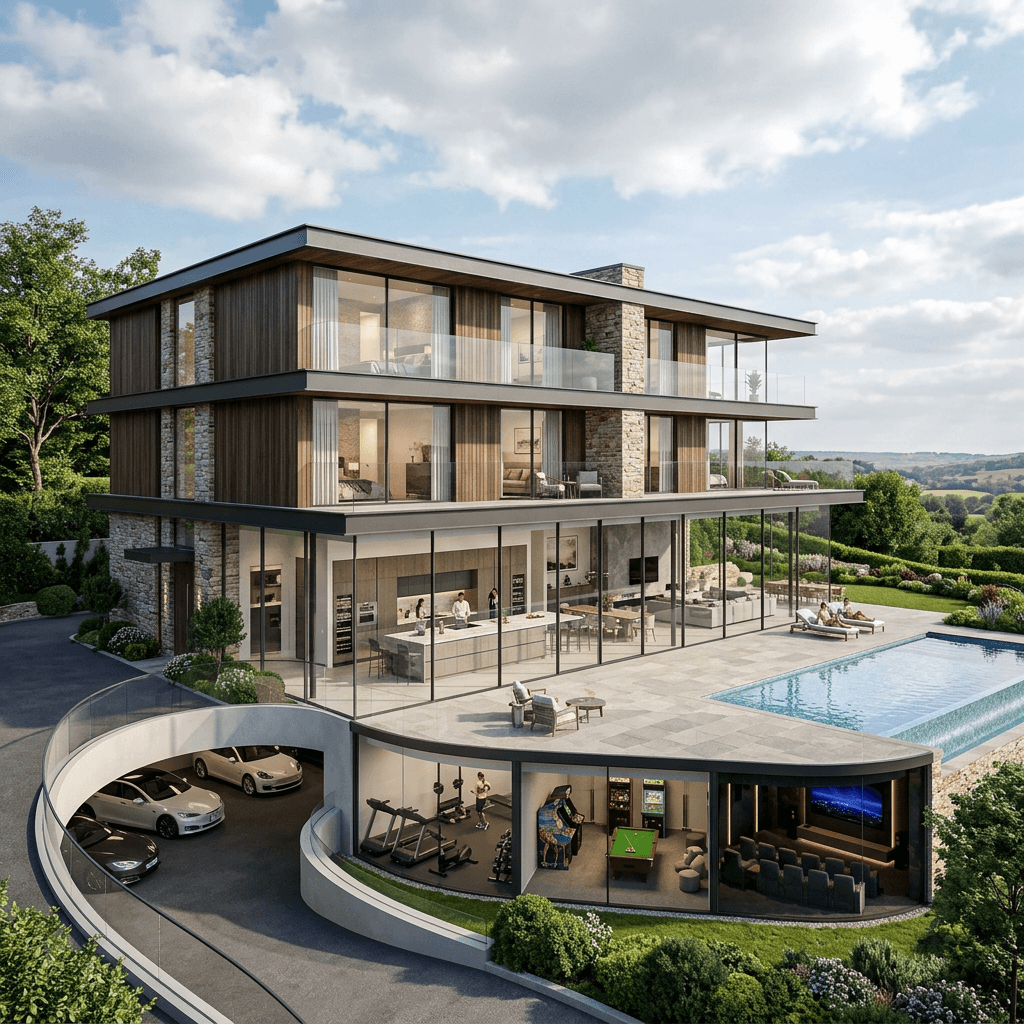
In 2026, exclusivity in branded residences is no longer defined by price alone. It is shaped by a sophisticated combination of brand equity, geographical rarity, design integrity, and the ability to deliver a consistently elevated living experience.

Premium vs. Performance: The Real Trade-Off Behind Branded and Non-Branded Luxury
Paying 30% more for a branded residence is either a sound strategic move or an expensive oversight. What determines the outcome is not the name on the building, but how well the investor understands the underlying mechanics of the asset before they commit.
Luxury Branding vs. Structural Reality: What the Aston Martin Residences Case Reveals About the Future of Branded Living
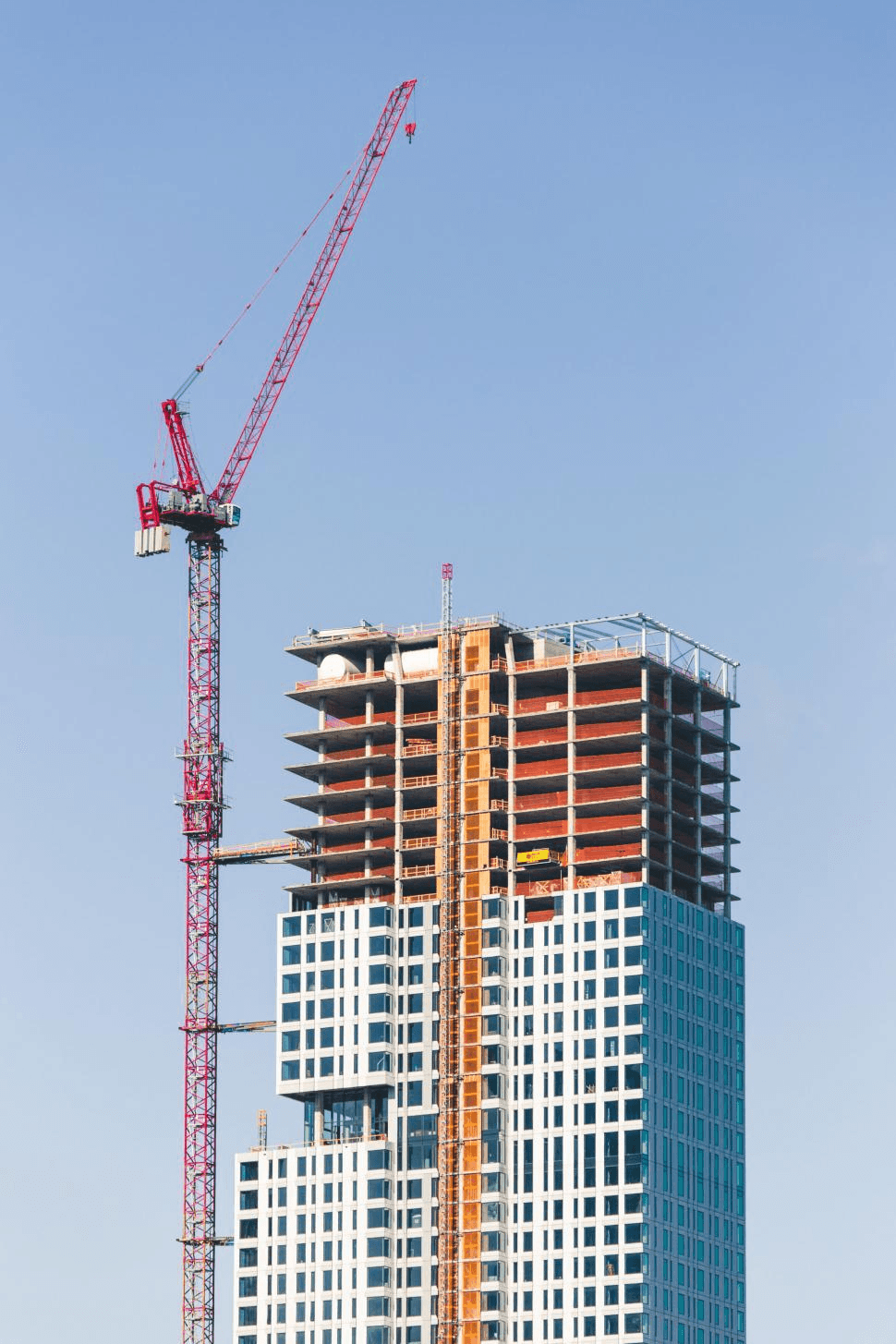
The headlines emerging from Miami surrounding the Aston Martin Residences and Riverwalk East Development offer more than a legal dispute; they present a defining moment for the global luxury real estate industry.