

Luxury Branding vs. Structural Reality: What the Aston Martin Residences Case Reveals About the Future of Branded Living
The headlines emerging from Miami surrounding the Aston Martin Residences and Riverwalk East Development offer more than a legal dispute; they present a defining moment for the global luxury real estate industry.
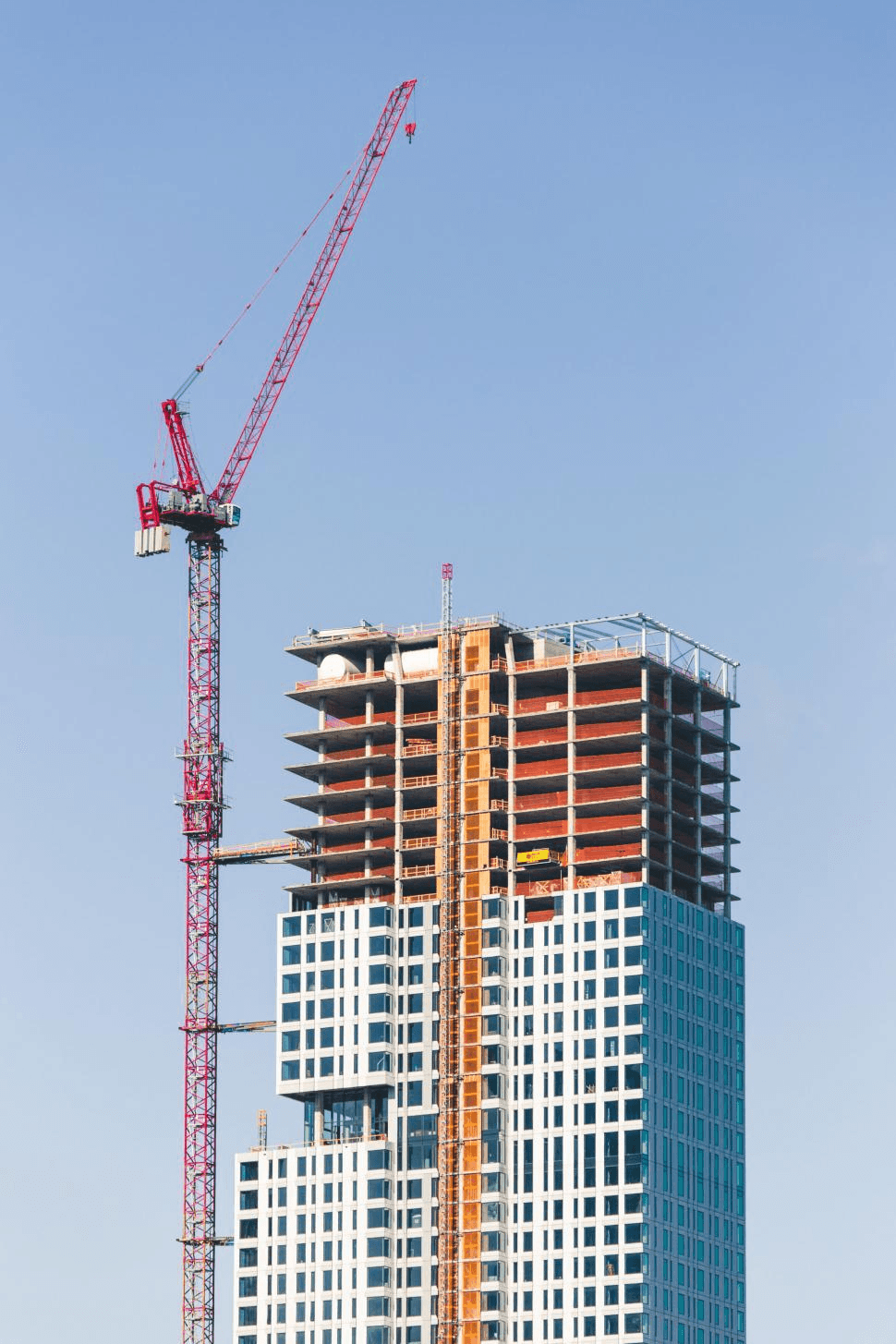
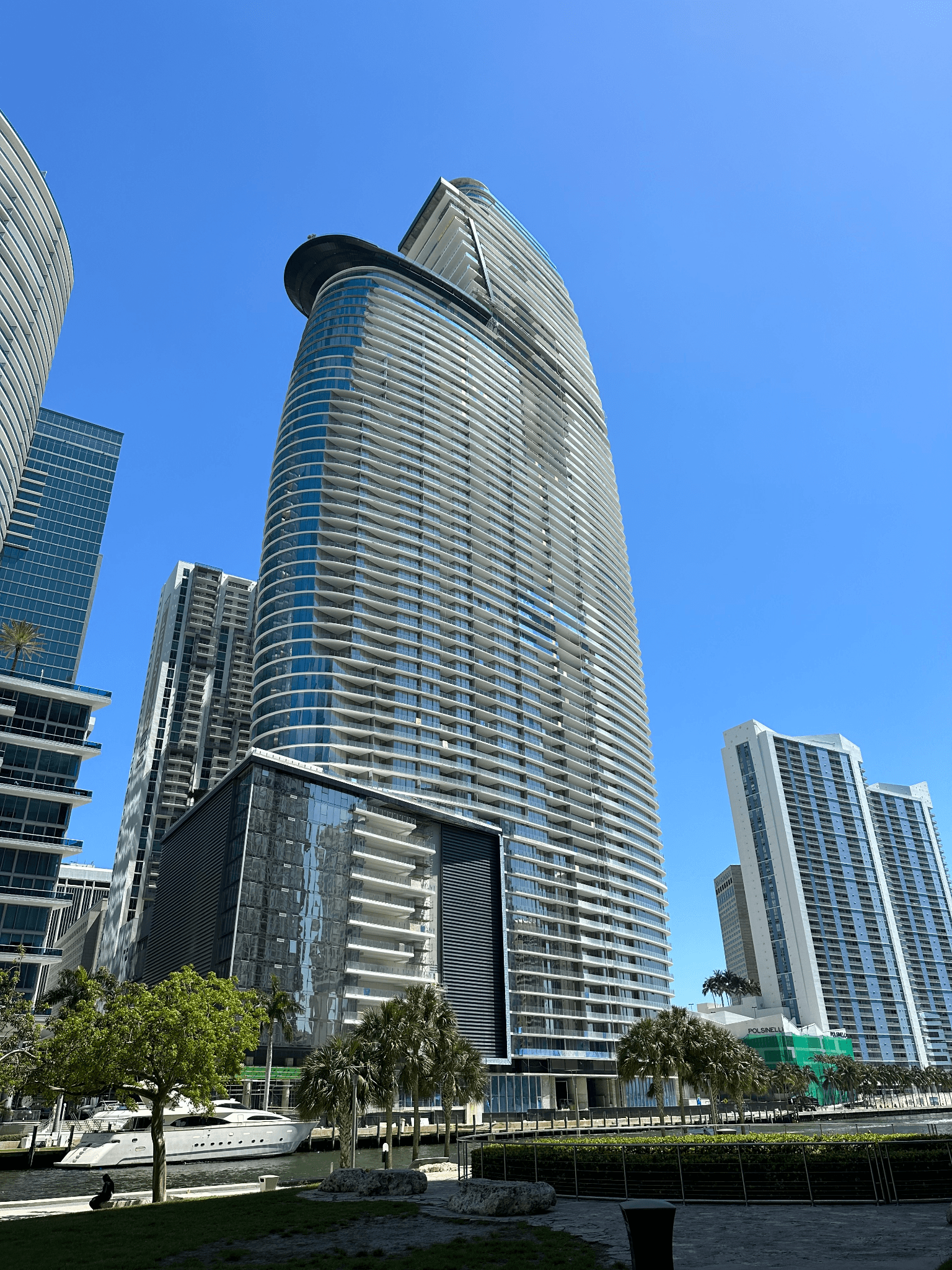
On one side stands a 66-story architectural icon. On the other, a $600M+ lawsuit alleging significant construction defects filed just one year after handover. Two realities, one building, and a question the industry can no longer defer.


The Premium Paradox
Luxury branding has transformed the residential landscape over the past decade. From automotive marques to fashion houses, a recognizable name has commanded substantial premiums and accelerated sales velocity.
But the Aston Martin case forces an uncomfortable conversation: when structural integrity is questioned, does a prestigious nameplate protect asset value, or does it amplify the fallout?
What This Means for Developers
Brand is not a marketing strategy retired at handover. It is the cumulative promise of every decision made during design, construction, and delivery. When that promise is broken, reputational consequences extend well beyond a single development.
The most powerful brand protection available to any developer is delivery excellence. Due diligence and construction oversight are the foundations upon which long-term brand equity is built.
The Rise of Post-Turnover Due Diligence
For buyers at the top of the market, the assumption that a luxury brand guarantees structural standards is being challenged. Post-turnover due diligence has never been more critical.
"The relationship between brand and product must be substantive, not cosmetic."
At Brand Atlas, we believe successful partnerships are product decisions first and marketing decisions second. (See our entry: “Branded Residences: Why Brand Fit Matters More Than Fame”).

A Market Recalibration?
The Miami situation raises a vital question: Can branded residences sustain premium positioning through litigation, or are we witnessing a market recalibration for luxury towers that prioritized identity over integrity?
We would welcome your perspective. The conversation is one the industry needs to have, openly, and at the highest level.
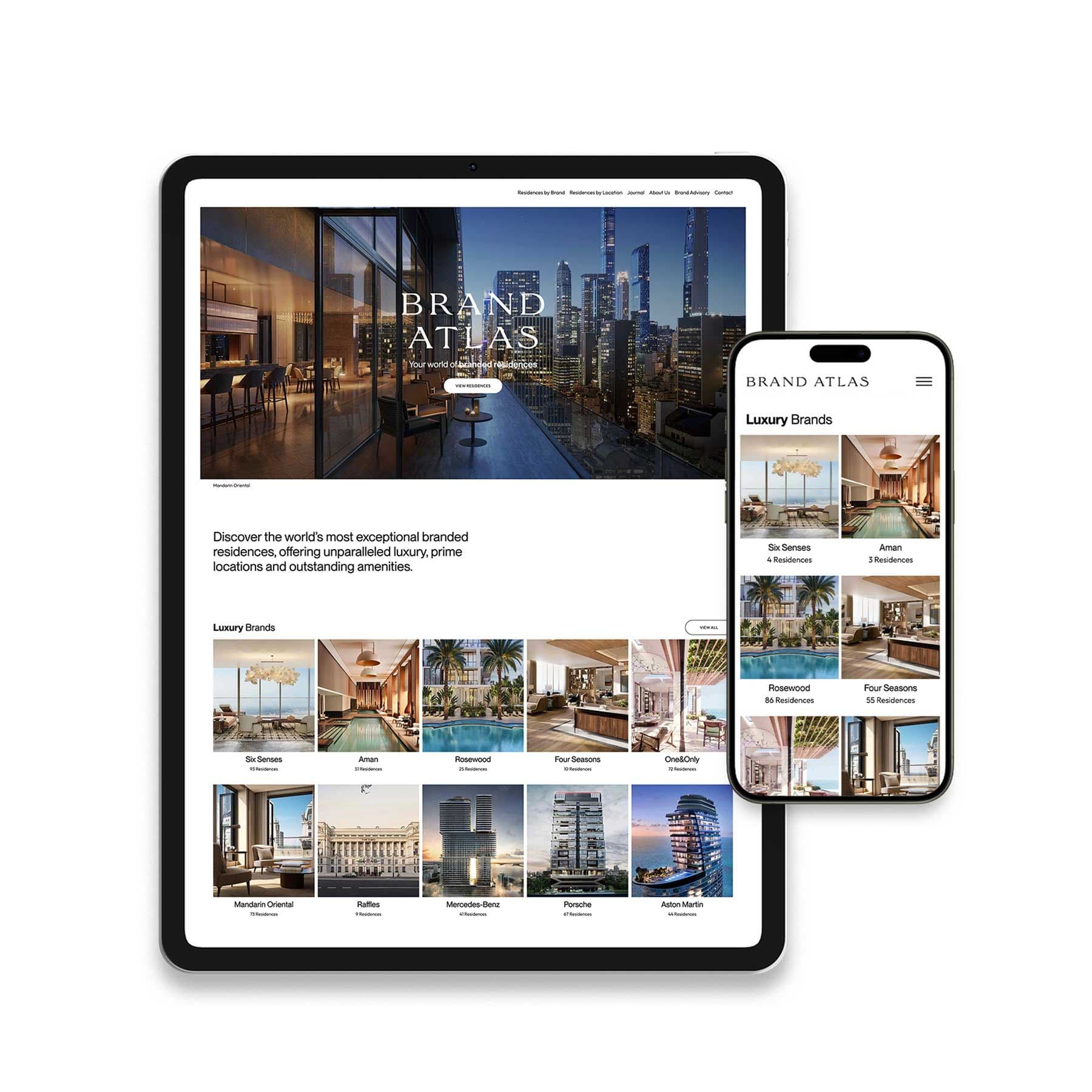
Brand Atlas is the world’s leading branded residences platform and brand consultancy.
Offering the definitive collection of the finest luxury branded residences in the most coveted locations, we give buyers and brands a unique opportunity to connect in this highly desirable and fast-growing market.
We work exclusively with leading brands, recognising the loyal relationship they share with their international audiences - and the exciting extension of luxury lifestyles through exceptional properties.
Providing an unparalleled and unbiased global overview, we enable buyers to see where their favourite brands are developing residences and to enjoy exploring and experiencing these exceptional properties.
Brand Atlas showcases the world’s finest branded residences on one digital platform, allowing global UHNW buyers access to a definitive collection of properties through a prestige network and top-tier technology.
Related News

The 10 Most Exclusive Branded Residences in 2026
In 2026, exclusivity in branded residences is no longer defined by price alone. It is shaped by a sophisticated combination of brand equity, geographical rarity, design integrity, and the ability to deliver a consistently elevated living experience.
Premium vs. Performance: The Real Trade-Off Behind Branded and Non-Branded Luxury
Paying 30% more for a branded residence is either a sound strategic move or an expensive oversight. What determines the outcome is not the name on the building, but how well the investor understands the underlying mechanics of the asset before they commit.

The Branded Residence Premium: How Much Is Real, and How Much Is Marketing?
In Miami, Dubai, London, and Singapore, a brand affiliation regularly adds 40% to the price of a residential asset over comparable non-branded stock. In prime markets globally, that range typically sits between 20% and 35%. Those numbers are real. They are also only half the story.