

Branded Residences Vs Serviced Apartments: Where Some Developers Get It Wrong
When a developer attaches a luxury hotel logo to a residential tower, they aren't just selling real estate; they’re selling a specific lifestyle promise. However, as the market for branded residences and serviced apartments expands within a global $2.8 trillion asset landscape, the gap between that "lifestyle promise" and "operational reality" is often where projects fail.
In this guide, you’ll learn the critical structural differences between these assets and why misaligned positioning destroys value.



The most important distinction is simple: ownership versus occupancy.
Branded residences are private homes sold to individual buyers, typically for personal use or long-term legacy holding.
Serviced apartments are commercial hospitality inventory, often held by a single owner or operator, designed specifically for short-term rental yield.
What is a Branded Residence?
To understand the branded residences vs serviced apartments debate, we must first define the assets. A branded residence is a residential property available for purchase on the open market.
It is affiliated, usually through design and servicing, with a known brand. Historically, these were hotel brands like the Ritz-Carlton or the Four Seasons. Today, the sector is shifting toward "lifestyle" brands like Porsche, Bentley, or Elie Saab.
Key Characteristics:
● Deeded Ownership:
Buyers hold the title to the unit.
● Brand Covenant:
A long-term license ensures brand standards are met.
● Lifestyle Focus:
The primary value proposition is prestige, service, and privacy.
● Optional Rental:
Owners may rent units out, but it is rarely the primary driver.
This asset class targets Ultra-High-Net-Worth (UHNW) individuals. They are not looking for a place to sleep for a week; they are looking for a global sanctuary that reflects their status.
What is a Serviced Apartment?
In contrast, the serviced apartment definition centers on functionality and yield. These units are fully furnished accommodations that bridge the gap between a hotel room and a permanent home.
They are designed for extended stays, typically weeks or months, catering to corporate relocation professionals or long-term business travelers.
Key Characteristics:
● Commercial Operation:
Often owned by a single entity or developer.
● Yield-Driven:
Success is measured by occupancy rates and RevPAR (Revenue Per Available Room).
● Standardized Layouts:
Units are uniform to maximize maintenance efficiency.
● Transient Tenants:
Occupants have no long-term attachment to the property.
While luxury serviced apartments exist, the model prioritizes turnover and efficiency over the bespoke, personalized nature of a private residence.
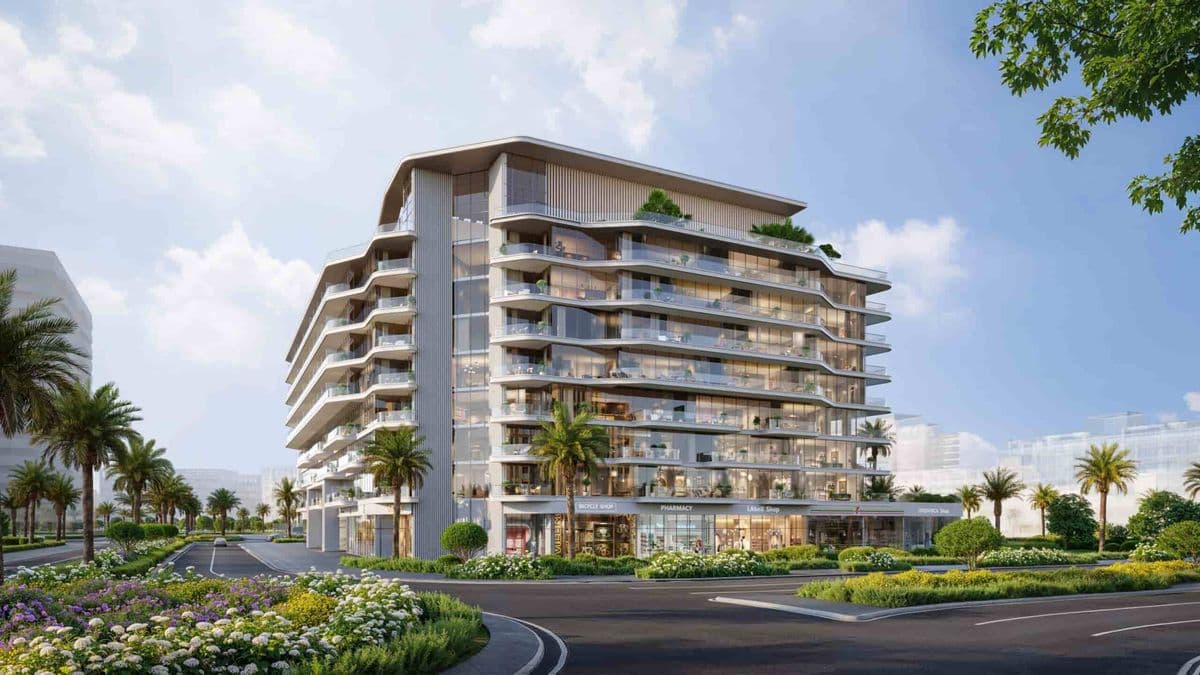
The Difference between Branded Residences & Serviced Apartments
While both offer temporary housing, branded residences, and serviced apartments cater to different markets and have distinct business models.
Branded residences target wealthy individuals seeking a second home or investment property with hotel-style amenities. These are typically exclusive, luxurious properties in prime locations, owned by individual buyers who might use them as a part-time vacation home.
Serviced apartments are aimed at corporate or leisure travelers needing short-term accommodation. They offer more space and flexibility than a traditional hotel room but are designed for transient stays.
The Revenue Model
The financial engines are completely different.
Branded Residences:
Revenue comes from the initial sales premium (often 30-35% above non-branded stock) and ongoing management fees.
Serviced Apartments:
Revenue is generated through recurring rental income.
Developers confusing these models often over-project rental yields for branded residences. They fail to account for the high operational costs of maintaining luxury standards in a low-turnover building.
Where Developers Make Big Mistakes
The confusion in the branded residences vs serviced apartments market often leads to the "Brand-Slapping Syndrome." This occurs when developers treat branding as a marketing sticker rather than an operational commitment.
1. Mixing Up the Guests
A common error is placing a hotel, branded residences, and serviced apartments in one tower without segregating flows. A UHNW buyer who paid a premium for privacy does not want to share an elevator with a transient backpacker. If the flows aren't separated, the residential brand premium evaporates.
2. Fake Luxury Expectations
Developers sometimes market serviced units as "lifestyle residences." Buyers expect 5-star concierge service, but the building is staffed for efficient turnover. When the "concierge" is just a security guard handling keys, the brand reputation suffers.
3. The Rental Trap
Many branded residences are sold with the promise of high investment yields via a rental pool. However, branded property ownership comes with high maintenance costs (HOA fees). When wear-and-tear eats into the yield, owners sue for misrepresentation of income.
Functional Design Gaps in Luxury Serviced Apartments
Another failure point lies in the physical infrastructure. Delivering true luxury service requires "hidden" space that many developers cut to maximize sellable square footage.
Common Design Failures:
Lack of Service Elevators:
Staff must use guest elevators for laundry and trash.
Inadequate Back-of-House:
No space for linen storage or room service staging.
Poor Soundproofing:
Residential standards differ from hotel standards.
In luxury serviced apartments, efficiency is key. But in branded residences, the service must be invisible. If a resident sees the mechanics of the operation, the illusion of effortless luxury is broken.
Investment Perspective on Branded Property Ownership
For investors, the choice between these two assets depends entirely on the risk profile and investment horizon.
Branded Residences:
Goal:
Capital appreciation and legacy.
Risk:
Market liquidity (it can take longer to sell a $10m unit).
Brand Risk:
If the brand "de-flags" (leaves the building), value can drop 20-40%.
Serviced Apartments:
Goal:
Cash flow and steady yield.
Risk:
Operational volatility (tourism downturns).
Liquidity:
Often easier to sell as a commercial asset package.
Investors must understand that branded property ownership is a play on prestige and scarcity, while serviced apartments are a play on utility and demand.

Branded Residences vs Serviced Apartments: A Comparison
Here is a technical breakdown of how these two asset classes diverge.
Investment Comparison: Branded Residences vs. Serviced Apartments
Ownership Structure
Branded Residences: Private Deeded Title
Serviced Apartments: Single Owner / Commercial Entity
Primary Investment Driver
Branded Residences: Lifestyle benefits & Capital appreciation
Serviced Apartments: Rental yield & High occupancy rates
Target User Profile
Branded Residences: UHNW / Legacy Buyers
Serviced Apartments: Corporate / Business Travelers
Typical Length of Stay
Branded Residences: Permanent residency or Seasonal use
Serviced Apartments: Extended stays (Weeks or Months)
Amenity Offering
Branded Residences: Bespoke & Luxury (Private chefs, full-service spas)
Serviced Apartments: Functional & Practical (Gyms, self-service laundry)
Service Level
Branded Residences: High-Touch and highly personalized
Serviced Apartments: Low-Touch and operationally efficient
Market Volatility
Branded Residences: Low (Treated as a long-term "safe haven" hold)
Serviced Apartments: High (Directly dependent on tourism and business cycles)

The Future of Hybrid Models
As we look toward 2026, the lines in the branded residences vs serviced apartments debate are beginning to blur. We are seeing the rise of "Hybrid Models."
These projects offer flexible ownership structures. They allow owners to place units into a managed inventory for part of the year while retaining usage rights.
Emerging Trends:
Lifestyle-Led Brands:
Fashion and auto brands (non-hotel) are entering the space.
Flexible Living:
Digital nomads require high-end service with flexible lease terms.
Tech-Enabled Service:
Apps are replacing physical concierges in lower-tier luxury.
However, the "Triple Win Thesis" remains essential. For any hybrid model to work, it must benefit the Developer (financing), the Brand (loyalty), and the Buyer (service). If one is out of balance, the project fails.
The Importance of Clarity in Creating Value
The difference between asset classes like branded residences and serviced apartments isn't just semantics; it’s the foundation of value. Confusing the two can alienate buyers and harm brand equity. For the `branded residences vs serviced apartments` market to thrive, transparency is essential. Buyers need clarity on whether they’re purchasing a branded home or a hotel room with a kitchen.
Proper market positioning is the key to ensuring the operational reality aligns with lifestyle promises, safeguarding asset value for years to come. At Brand Atlas, we specialize in helping developers position their assets with precision. Let’s build value together, start with Brand Atlas today.
Brand Atlas is the world’s leading branded residences platform and brand consultancy.
Offering the definitive collection of the finest luxury branded residences in the most coveted locations, we give buyers and brands a unique opportunity to connect in this highly desirable and fast-growing market.
We work exclusively with leading brands, recognising the loyal relationship they share with their international audiences - and the exciting extension of luxury lifestyles through exceptional properties.
Providing an unparalleled and unbiased global overview, we enable buyers to see where their favourite brands are developing residences and to enjoy exploring and experiencing these exceptional properties.
Brand Atlas showcases the world’s finest branded residences on one digital platform, allowing global UHNW buyers access to a definitive collection of properties through a prestige network and top-tier technology.
Related News
The 10 Most Exclusive Branded Residences in 2026
In 2026, exclusivity in branded residences is no longer defined by price alone. It is shaped by a sophisticated combination of brand equity, geographical rarity, design integrity, and the ability to deliver a consistently elevated living experience.

Premium vs. Performance: The Real Trade-Off Behind Branded and Non-Branded Luxury
Paying 30% more for a branded residence is either a sound strategic move or an expensive oversight. What determines the outcome is not the name on the building, but how well the investor understands the underlying mechanics of the asset before they commit.

The Branded Residence Premium: How Much Is Real, and How Much Is Marketing?
In Miami, Dubai, London, and Singapore, a brand affiliation regularly adds 40% to the price of a residential asset over comparable non-branded stock. In prime markets globally, that range typically sits between 20% and 35%. Those numbers are real. They are also only half the story.