

The World Is Watching Miami’s Branded Residences Surge
Miami is rapidly establishing itself as one of the world’s leading markets for branded luxury residences, second only to Dubai in global pipeline scale. According to recent reports, the city has attracted an unprecedented number of international brands, signaling a mature, competitive, and high-demand environment for ultra-luxury living.


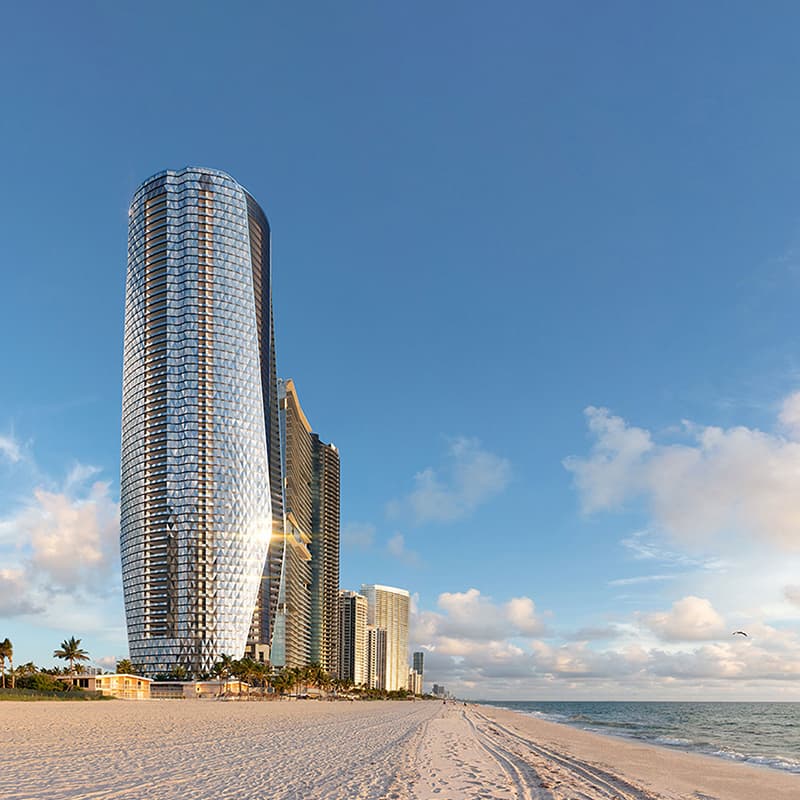
The surge is fueled by Miami’s strategic location, international buyer base, and strong tourism infrastructure, making it a magnet for ultra-high-net-worth individuals seeking investment-grade, lifestyle-driven properties.
Developers are increasingly partnering with iconic brands, from hotel groups to fashion houses, to create residences that combine design excellence, full-service amenities, and global brand recognition.
Branded residences and luxury villas now dot the island’s prime coastal and hillside locations, offering exclusive wellness amenities, private marinas, and curated concierge services. Each property blends heritage charm with contemporary design, allowing buyers to live a Mediterranean lifestyle without compromise.
Key trends shaping Miami’s branded residence market include:
High demand from international buyers, particularly from Latin America, Europe, and the Middle East.
Standalone branded residences, decoupled from hotels, allowing for dedicated residential experiences with concierge-level services.
Premium pricing and scarcity value, with projects often achieving higher absorption rates due to brand trust and lifestyle appeal.
Diverse project types, ranging from ultra-luxury penthouses to low-density resort-style developments.
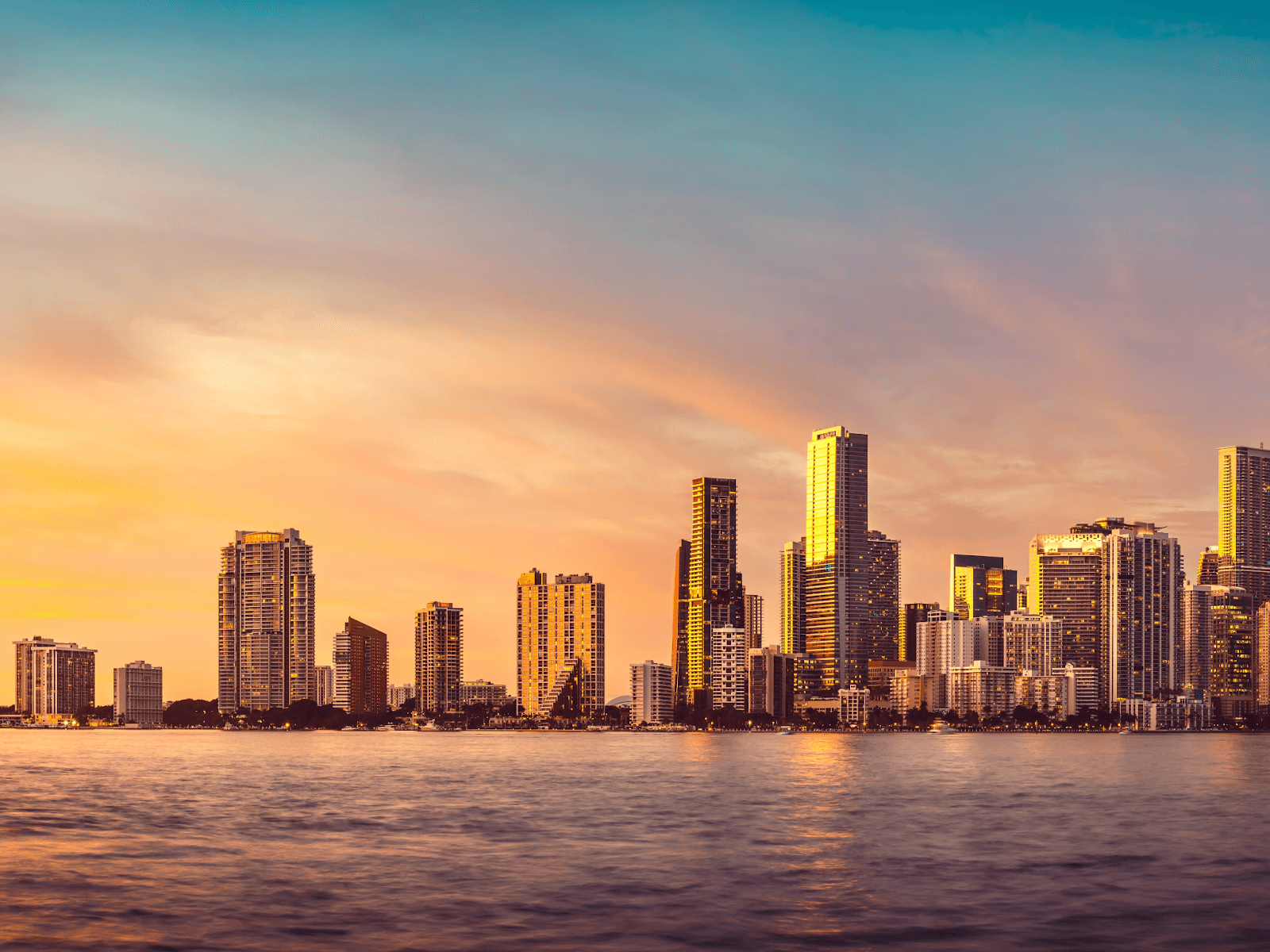
For developers, this represents a rare opportunity to enter or scale in a market where brand partnerships, location, and lifestyle integration drive both returns and global prestige.
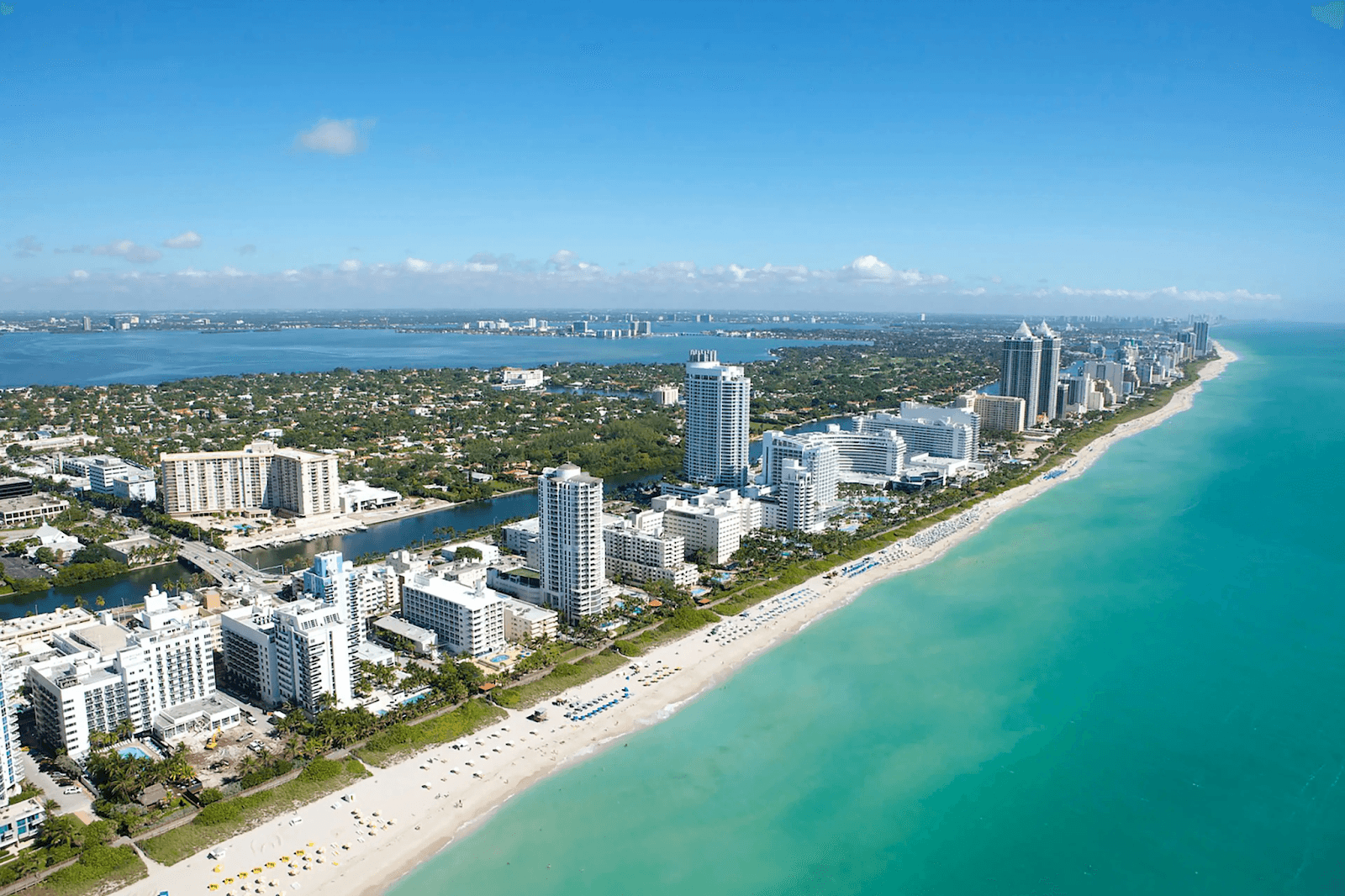
With Miami’s pipeline expanding, early movers can capitalize on demand while creating projects that appeal to international buyers seeking both exclusivity and a turnkey lifestyle experience.
Miami is no longer just a U.S. coastal city, it is a global stage for branded luxury residences, offering developers insight into international trends, buyer behavior, and the growing intersection of hospitality and residential real estate.
For developers, the message is clear: ultra-luxury branded real estate is no longer confined to global capitals, Fort Lauderdale is now a top-tier destination for high-end, high-margin residential development.
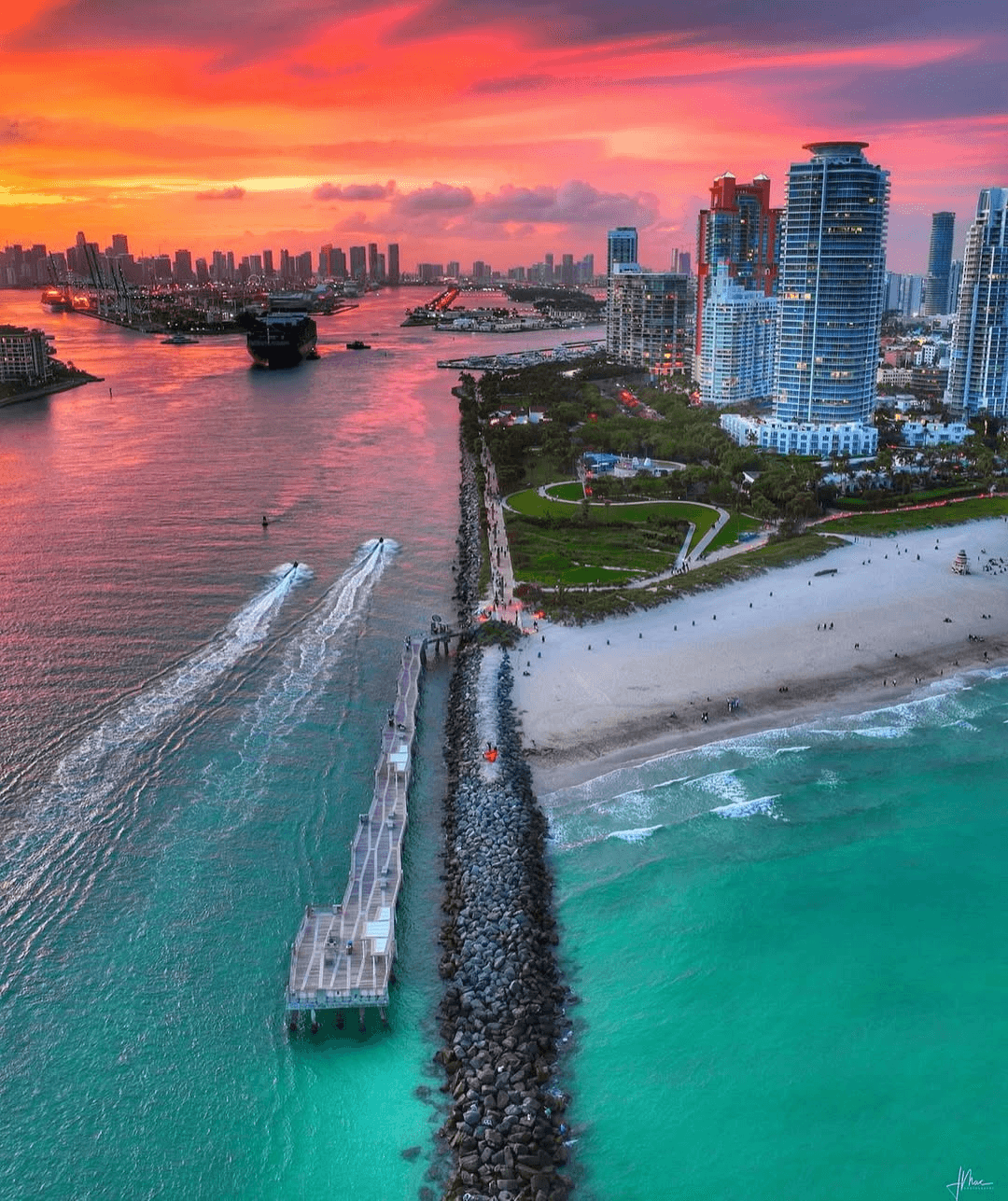
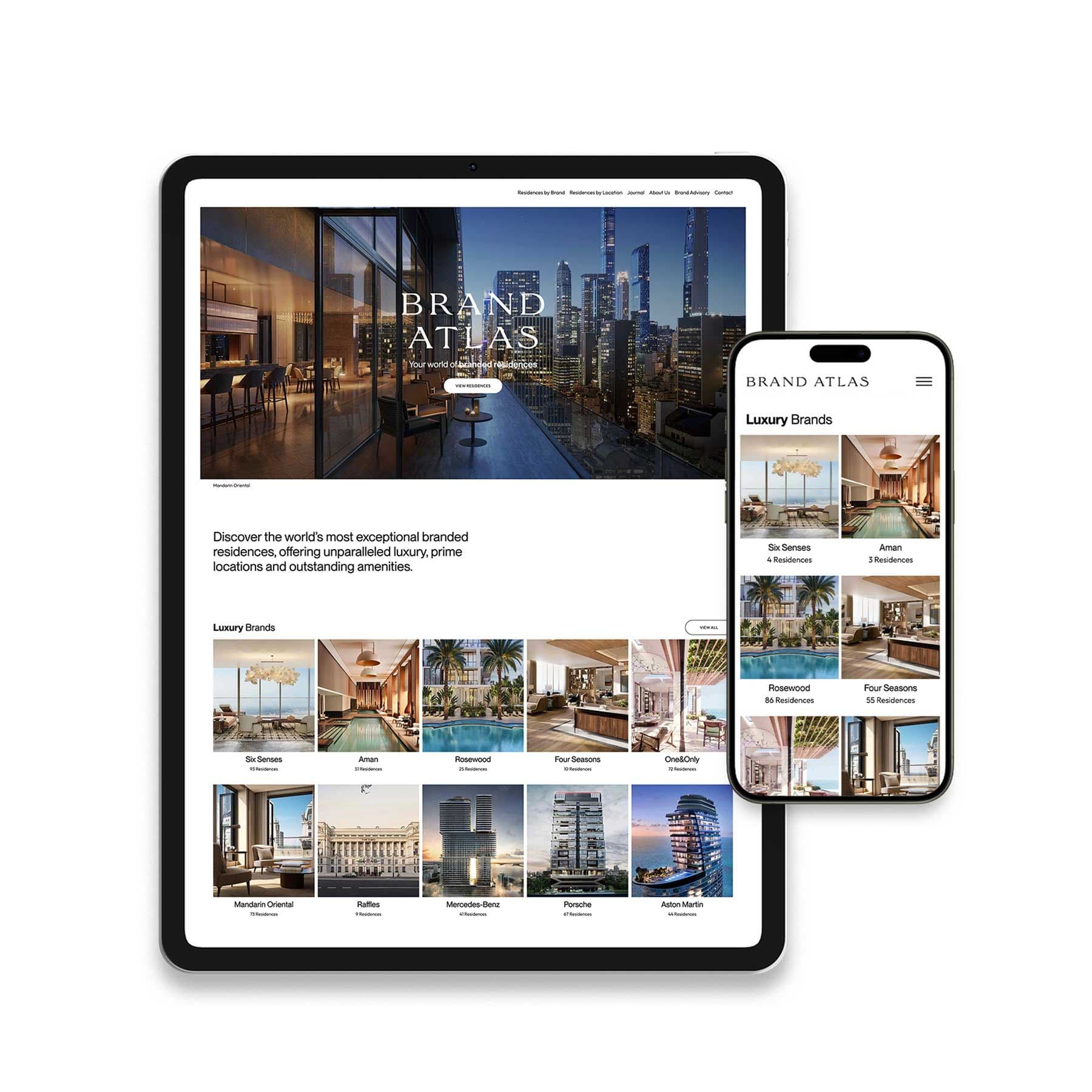
Brand Atlas is the world’s leading branded residences platform and brand consultancy.
Offering the definitive collection of the finest luxury branded residences in the most coveted locations, we give buyers and brands a unique opportunity to connect in this highly desirable and fast-growing market.
We work exclusively with leading brands, recognising the loyal relationship they share with their international audiences - and the exciting extension of luxury lifestyles through exceptional properties.
Providing an unparalleled and unbiased global overview, we enable buyers to see where their favourite brands are developing residences and to enjoy exploring and experiencing these exceptional properties.
Brand Atlas showcases the world’s finest branded residences on one digital platform, allowing global UHNW buyers access to a definitive collection of properties through a prestige network and top-tier technology.
Related News
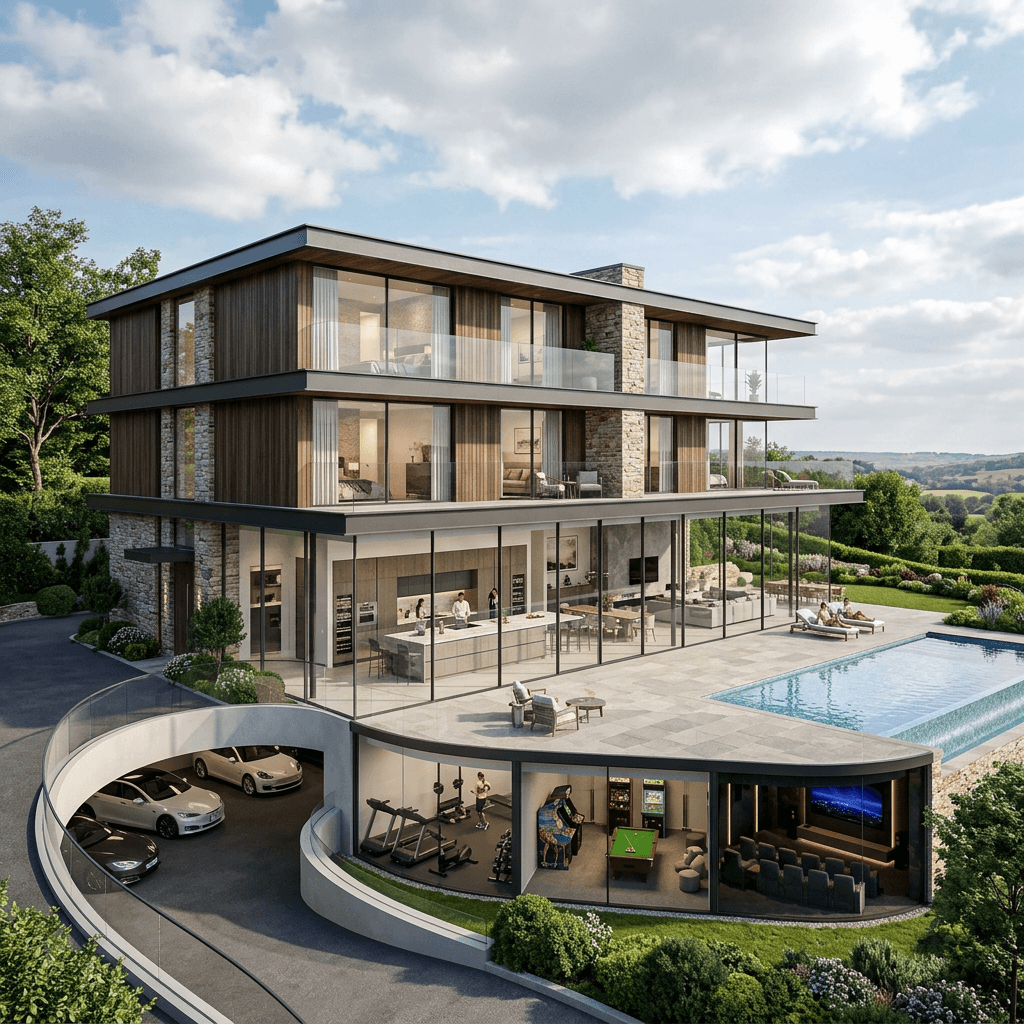
The 10 Most Exclusive Branded Residences in 2026
In 2026, exclusivity in branded residences is no longer defined by price alone. It is shaped by a sophisticated combination of brand equity, geographical rarity, design integrity, and the ability to deliver a consistently elevated living experience.
Premium vs. Performance: The Real Trade-Off Behind Branded and Non-Branded Luxury
Paying 30% more for a branded residence is either a sound strategic move or an expensive oversight. What determines the outcome is not the name on the building, but how well the investor understands the underlying mechanics of the asset before they commit.
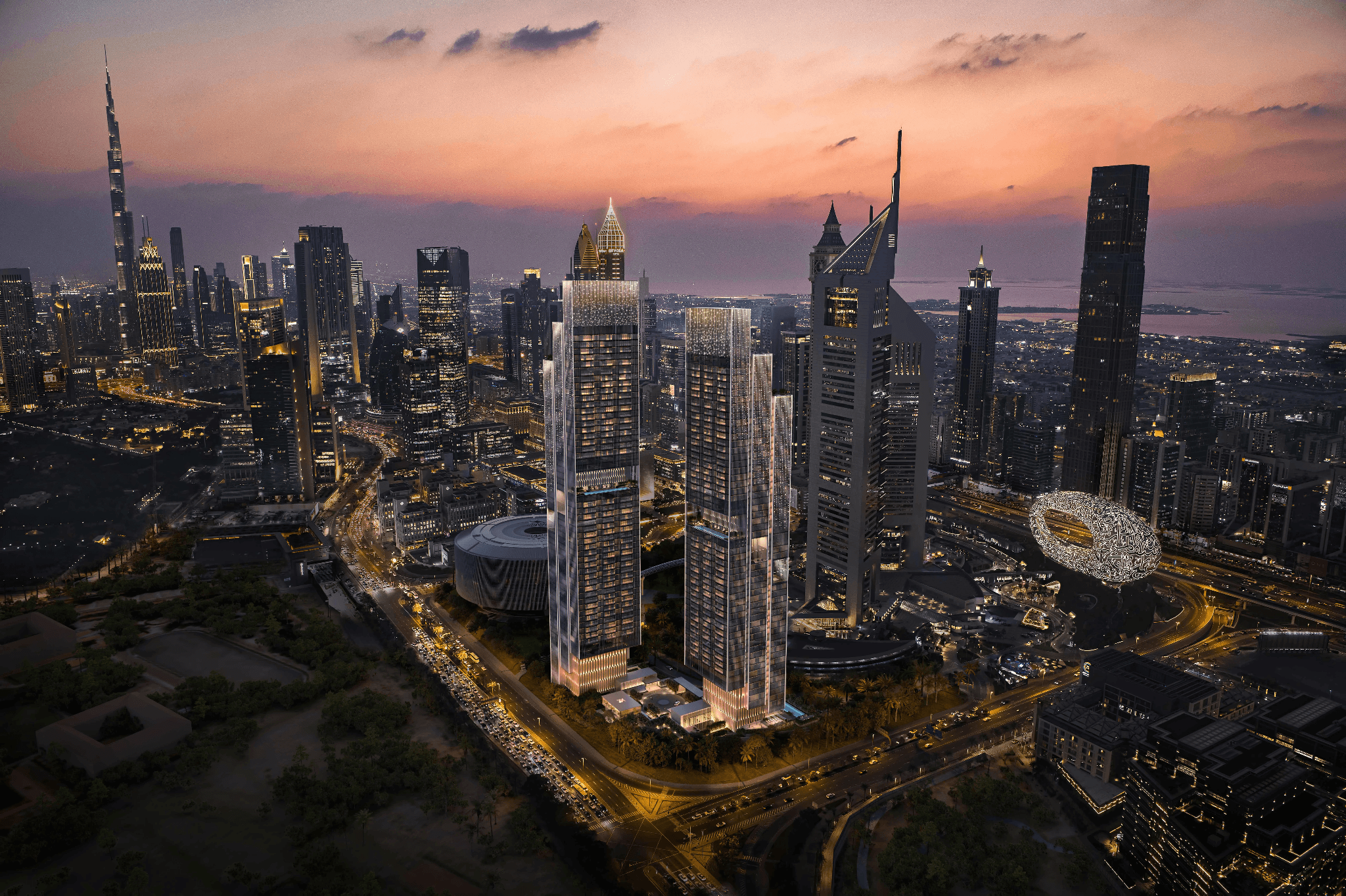
The Branded Residence Premium: How Much Is Real, and How Much Is Marketing?
In Miami, Dubai, London, and Singapore, a brand affiliation regularly adds 40% to the price of a residential asset over comparable non-branded stock. In prime markets globally, that range typically sits between 20% and 35%. Those numbers are real. They are also only half the story.