

It’s Not Just Demand. It’s Capital: The Middle East Effect
By Ben Grint
Brand Atlas
Director: Sales, Development & Partnerships
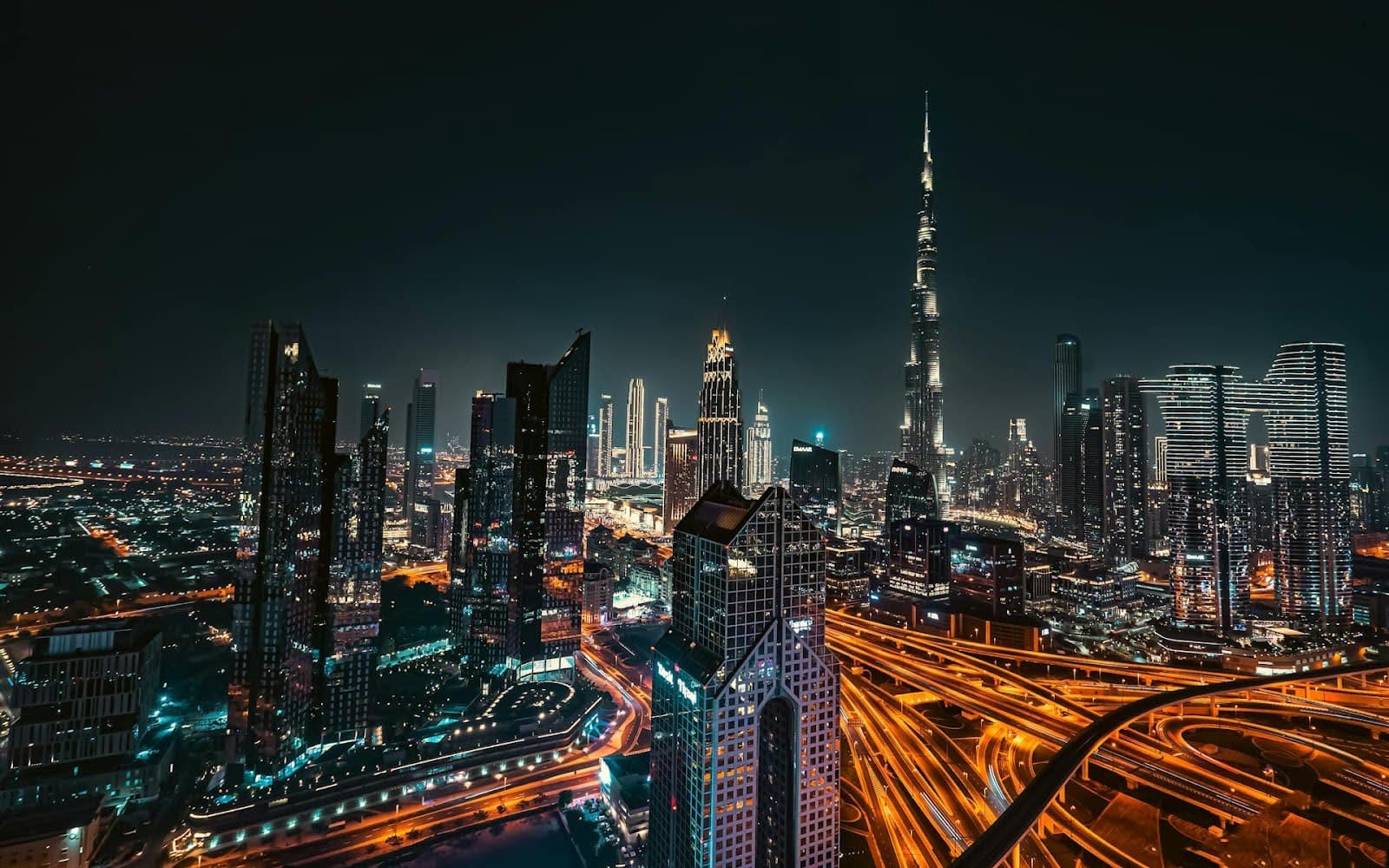
The current geopolitical climate in the Middle East, heightened most recently by escalating tensions between Donald Trump (US) and Iran, is inevitably casting a shadow over regional real estate markets, including the high-growth branded residences sector in the region.


The Impact of Uncertainty on Investor Behavior
Periods of uncertainty tend to slow decision-making, particularly among international investors who traditionally underpin demand for luxury, lifestyle-driven property, seeing stability as the lifeblood, the bedrock that decisions are made on. Transaction timelines lengthen, capital becomes more cautious, and some developers may pause launches or rethink pricing strategies in response to shifting sentiment.
Resilient Fundamentals in Global Hubs
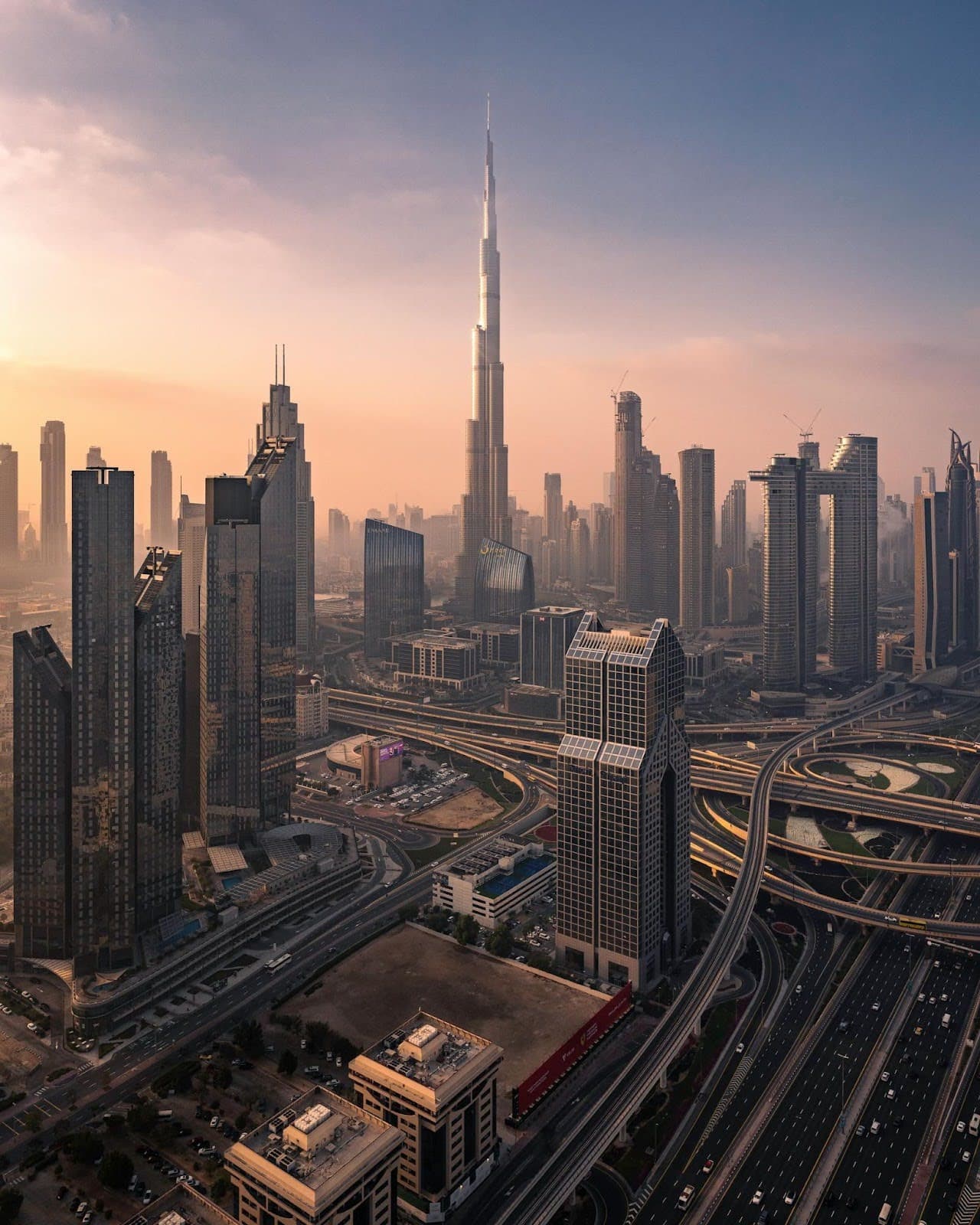
It’s important to remain grounded in the structural fundamentals. The Middle East and UAE, particularly hubs such as Dubai, Abu Dhabi, and Riyadh, have built a resilient, globally connected real estate ecosystem. Branded residences, in particular, are no longer a speculative niche; they are a mature asset class driven by strong end-user demand, lifestyle alignment, and brand equity. While geopolitical tensions may create short-term friction, they rarely erode long-term desirability.
Capital Relocation and the "Safe Haven" Shift
History shows that moments like this often trigger a rebalancing, a recalibration, rather than a retreat. Capital doesn’t disappear; it relocates. We are already seeing shifts in buyer behavior, with some investors redirecting focus toward perceived “safe haven” destinations across SEA and APAC, while others adopt a “wait-and-see approach,” preparing to deploy capital when clarity returns. This pause can ultimately lead to pent-up demand, which, when released, drives accelerated absorption and price recovery.Capital Relocation and the "Safe Haven" Shift
History shows that moments like this often trigger a rebalancing, a recalibration, rather than a retreat. Capital doesn’t disappear; it relocates. We are already seeing shifts in buyer behavior, with some investors redirecting focus toward perceived “safe haven” destinations across SEA and APAC, while others adopt a “wait-and-see approach,” preparing to deploy capital when clarity returns. This pause can ultimately lead to pent-up demand, which, when released, drives accelerated absorption and price recovery.

Strategic Diversification: A Competitive Advantage
There is also a quieter, more strategic upside. Developers and brands are being forced to think more globally, diversify their buyer mix, and strengthen their positioning beyond regional reliance. This is where agility becomes a competitive advantage.
At Brand Atlas, this is precisely where (and why!) we are best positioned. Our model is not anchored to a single geography or dependent on one market cycle. We operate across borders, connecting brands, developers, and buyers on a truly international and global level. In times of volatility, this allows us to pivot focus, maintain deal flow, and identify emerging pockets of opportunity while others remain constrained.

Looking Ahead: The Path to Recovery
When the market stabilizes (and it will!), those with global reach, strong brand alignment, and access to international demand will be the first to benefit from the rebound. The Middle East has consistently demonstrated its ability to recover and come back stronger, with renewed ambition and capital inflows.
So while the current climate may feel uncertain, for those prepared to navigate it strategically, this is a moment of repositioning, not retreat. The foundations for the next growth cycle are already being laid.
And Brand Atlas is at the forefront.
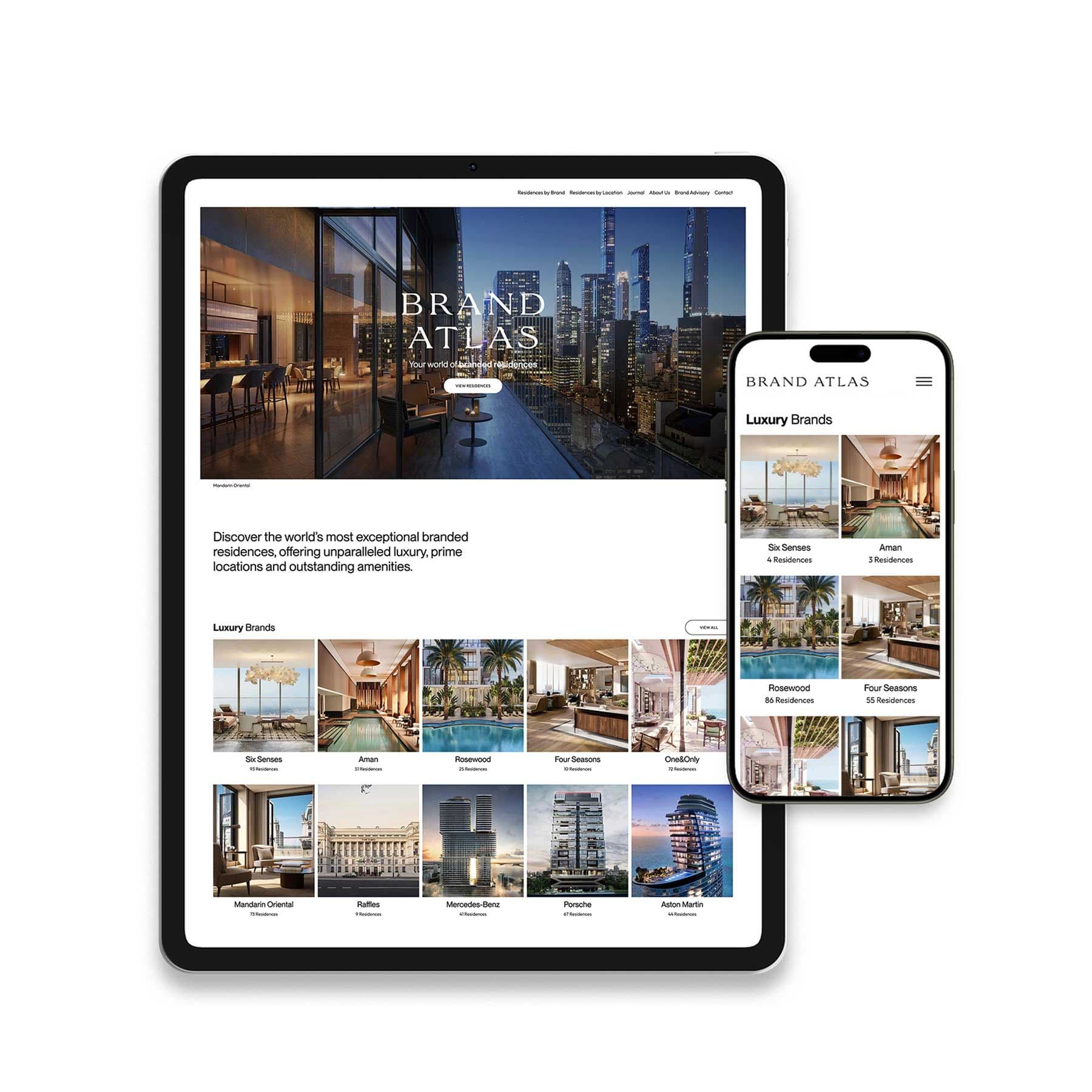
Brand Atlas is the world’s leading branded residences platform and brand consultancy.
Offering the definitive collection of the finest luxury branded residences in the most coveted locations, we give buyers and brands a unique opportunity to connect in this highly desirable and fast-growing market.
We work exclusively with leading brands, recognising the loyal relationship they share with their international audiences - and the exciting extension of luxury lifestyles through exceptional properties.
Providing an unparalleled and unbiased global overview, we enable buyers to see where their favourite brands are developing residences and to enjoy exploring and experiencing these exceptional properties.
Brand Atlas showcases the world’s finest branded residences on one digital platform, allowing global UHNW buyers access to a definitive collection of properties through a prestige network and top-tier technology.
Related News
The 10 Most Exclusive Branded Residences in 2026
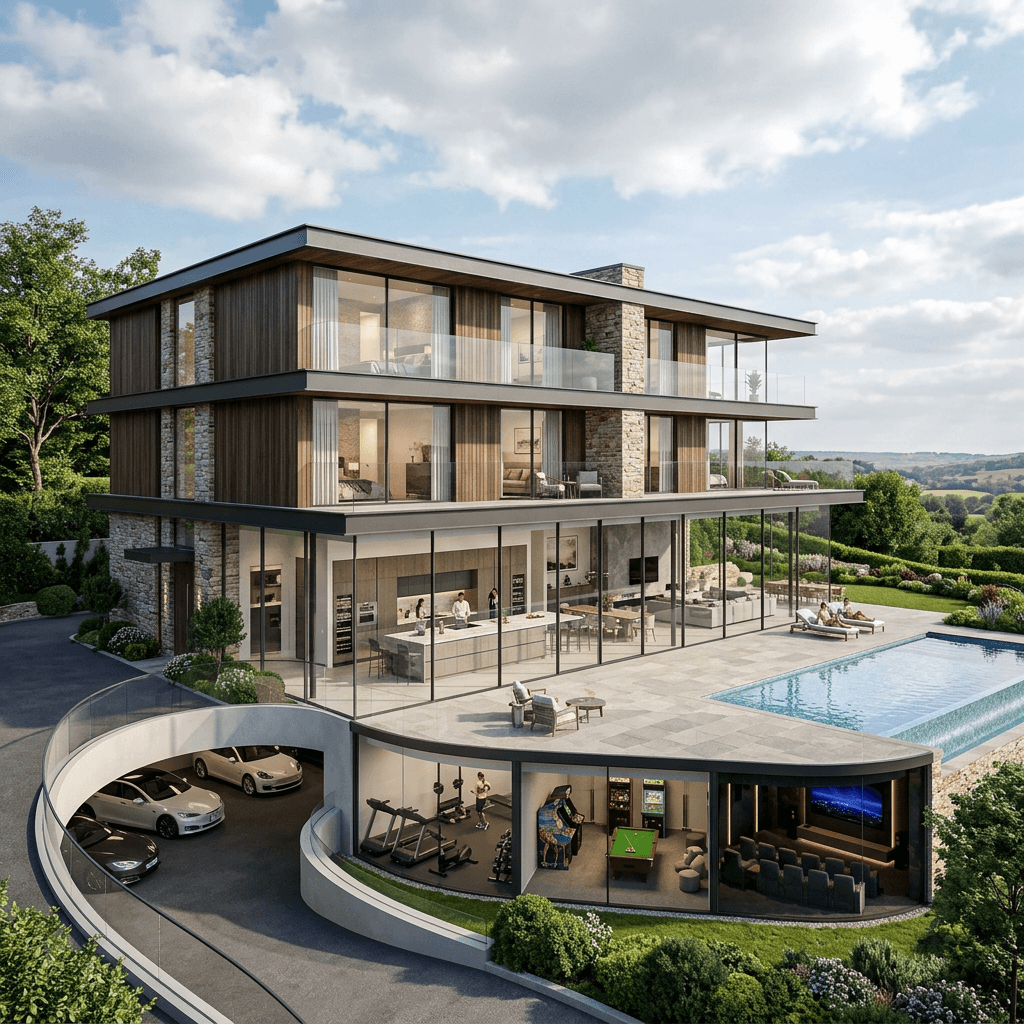
In 2026, exclusivity in branded residences is no longer defined by price alone. It is shaped by a sophisticated combination of brand equity, geographical rarity, design integrity, and the ability to deliver a consistently elevated living experience.
Premium vs. Performance: The Real Trade-Off Behind Branded and Non-Branded Luxury
Paying 30% more for a branded residence is either a sound strategic move or an expensive oversight. What determines the outcome is not the name on the building, but how well the investor understands the underlying mechanics of the asset before they commit.
The Branded Residence Premium: How Much Is Real, and How Much Is Marketing?
In Miami, Dubai, London, and Singapore, a brand affiliation regularly adds 40% to the price of a residential asset over comparable non-branded stock. In prime markets globally, that range typically sits between 20% and 35%. Those numbers are real. They are also only half the story.